- Buysiders
- Posts
- Paramount and WBD Tie The Knot
Paramount and WBD Tie The Knot
Plus: GIP & EQT take AES private and a healthcare deal with a 79% premium

Short Squeez
March 10, 2026

Together with

Good morning! While the rest of us were debating whether tariffs are inflationary or just annoying, Wall Street decided to kick off March with a few deals that prove we are firmly, irreversibly, in the era of the megadeal.
Whether you’re a first-year analyst who just found out what a “ticking fee” is, a VP who stayed up until 3am modeling a utility takeout, or an MD who’s been pitching media consolidation for six years and is finally getting their closing dinner… this one’s for you.
So grab your espresso, ignore the DeepSeek headlines for five minutes, and see below for this month’s top deals:
Paramount Skydance acquires Warner Bros. Discovery for $110 billion in Hollywood’s biggest deal ever.
BlackRock’s GIP and EQT acquire AES Corporation for $33.4 billion to keep the lights on.
Gilead Sciences acquires Arcellx for $7.8 billion at a mouthwatering premium
First time reading? Sign up here.
Have feedback? Respond here.
DEAL OF THE MONTH
Lights, Camera, Leverage
Alright, so I called Netflix x WBD but Paramount was willing to overpay, sue me.
It started like every good Hollywood story: two suitors, one prize, and somebody about to get humiliated in public.
Warner Bros. Discovery, saddled with roughly $40 billion in debt from the disastrous AT&T merger and watching cable revenue evaporate in real time, had been exploring a sale since October.
By December, Netflix had swooped in with an $82.7 billion offer for WBD’s studios and streaming assets, looking to buy the keys to Hogwarts, Westeros, and the DC Universe in one fell swoop. Zaslav’s board took it. David Ellison’s Paramount Skydance, newly formed just six months prior from the Skydance-Paramount merger, watched from the sidelines and apparently decided: not on my watch.

What followed was one of the ugliest, most entertaining hostile takeover attempts in recent memory - shareholder letters, competing proxy slates, HSR filings, a DOJ antitrust probe of Netflix for “attempting to create a monopoly,” and a very public game of chicken between two billionaires named David.
On February 26, 2026, Netflix blinked. After WBD’s board declared Paramount’s $31-per-share offer a “superior proposal,” Netflix declined to raise its bid and quietly walked out the door. Paramount paid a $2.8 billion termination fee to Netflix, which, if nothing else, is the most expensive “thanks for playing” in entertainment history.
The final terms: Paramount Skydance acquires 100% of Warner Bros. Discovery at $31 per share in cash, implying an equity value of $81 billion and an enterprise value of approximately $110 billion.

The deal is funded by $47 billion in equity from the Ellison family and RedBird Capital Partners, alongside $54 billion in new debt commitments from a banking syndicate led by Bank of America and Citigroup.
To sweeten the deal for WBD shareholders still skittish about the Q3 2026 close timeline, Paramount added a $0.25 per share “ticking fee” for each quarter the deal doesn’t close, a nice little incentive that also signals Ellison’s confidence in getting this done.
The combined company will control a library of more than 15,000 film titles, Harry Potter, Game of Thrones, Mission: Impossible, the DC Universe, and whatever’s left of South Park, and is committed to releasing at least 30 theatrical films annually (15 per studio, with a minimum 45-day theatrical window).

On a fully synergized basis, Paramount values WBD at 7.5x 2026 EBITDA, and expects over $6 billion in cost synergies driven by tech integration, real estate consolidation, and what every press release euphemistically calls “streamlining operational efficiencies.”

You don’t need to be a media analyst to see the logic here. Netflix, Apple, Amazon, and Disney have turned content into a scale game. Without the DC and Harry Potter IP, WBD was a slowly deflating balloon. And Paramount, fresh off the Skydance merger, needed a cannon-sized content library to compete with the streamers. Together, they at least have a fighting chance.
The less obvious part of the story? The debt. At closing, the combined entity will carry a net debt-to-EBITDA of approximately 4.3x on a synergized basis, which is manageable, but only if everything goes according to plan.
That $6 billion in synergies has to actually materialize. The studios have to stop stepping on each other’s release calendars. The streaming platforms have to be integrated without alienating subscribers. And Ellison — who, remember, has been CEO of Paramount for all of about six months — has to prove he can actually run a $110 billion media conglomerate and not just ask his daddy to buy one.
Credit agencies have already downgraded the entity to junk status. WBD shares are trading at a modest discount to the offer price, reflecting real skepticism about the Q3 close timeline or regulatory risk. And every Hollywood executive with a deal in progress is nervously wondering whether the new regime will actually greenlight their project or just cut costs until the EBITDA looks prettier.
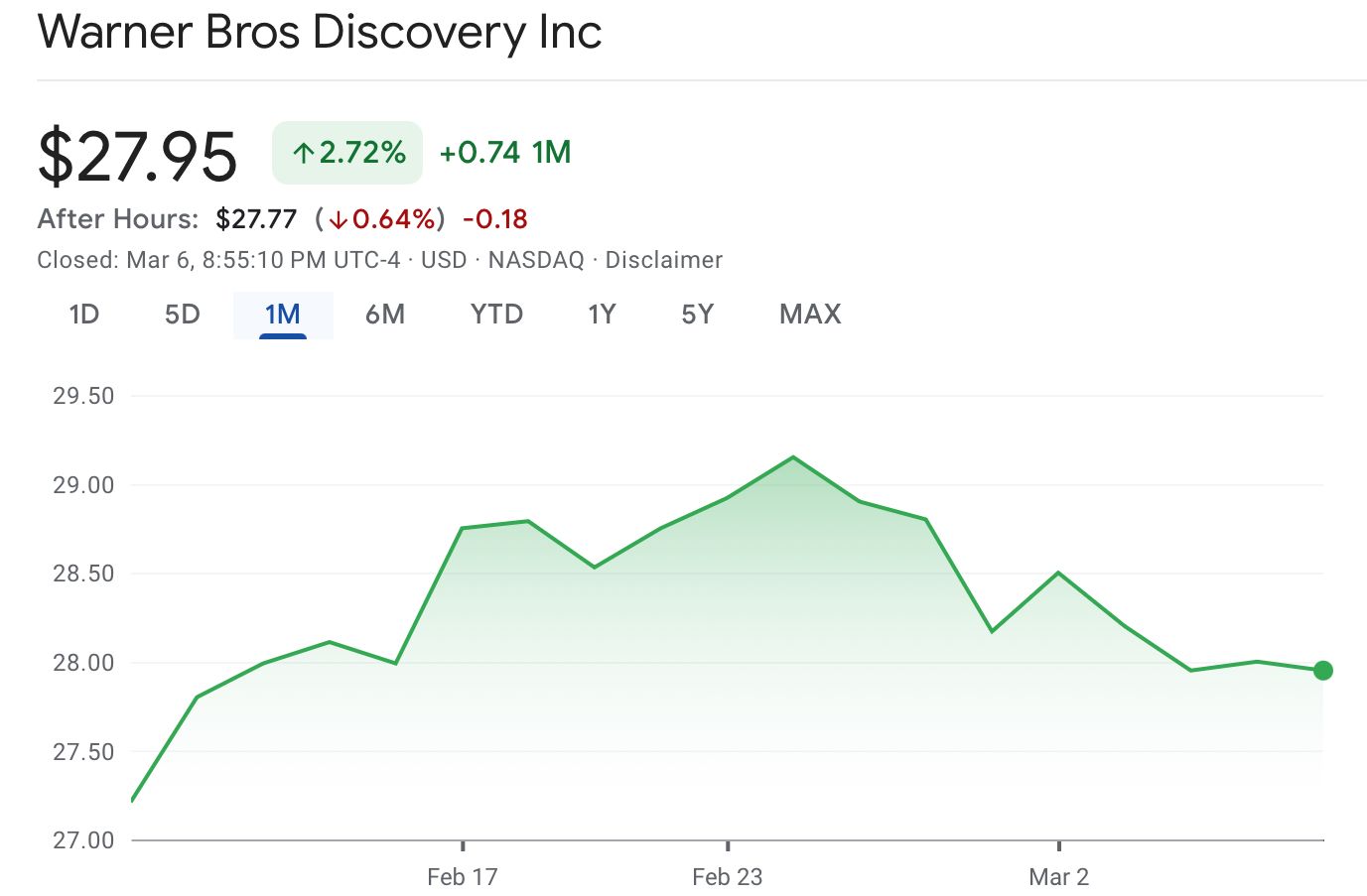
But hey, David Ellison’s dad is Larry Ellison. The equity check is already written. Sometimes you just have to bet on the guy with the most zeroes in his savings account.
The deal is expected to close in Q3 2026, pending regulatory clearance and WBD shareholder approval (vote expected in early spring). Mark your calendars for what could be the closing dinner of the decade.
NEWS ROUNDUP
Top Reads
PRESENTED BY ORNN AI
Wall Street’s Newest Commodity: GPU Compute

As more people use AI, demand for the infrastructure powering it grows exponentially. Training models and running large-scale inference requires massive compute capacity, turning chips like Nvidia’s H100 into one of the most important inputs in the AI economy.
Until recently, the market for that compute largely lived behind closed doors. Cloud providers, model labs, and large institutions negotiate pricing for GPU capacity privately, often with little transparency or consistency.
Ornn AI has built an index designed to commoditize AI compute, tracking the real market price of GPU capacity used to train and run modern AI systems.
Through new partnerships with Kalshi and Robinhood, retail traders can now participate as well. Markets tied to specific chips allow traders to take positions on where compute prices are headed.
If you are an institution, create an account on Ornn’s data platform to access its compute pricing index and trading infrastructure.
If you are a retail trader, explore the new prediction markets powered by Ornn on Kalshi or Robinhood by searching for "H100".
PE DEAL OF THE MONTH
GIP and EQT Keep the Lights On

Last month we talked about how AI is eating the power grid alive. This month, the power grid fought back… by going private.
On March 2, a consortium led by BlackRock’s Global Infrastructure Partners and Swedish private equity giant EQT agreed to acquire AES Corporation for $15.00 per share in cash, representing a total equity value of $10.7 billion and an enterprise value of $33.4 billion including the assumption of existing debt.

Joining GIP and EQT as co-underwriters are CalPERS and the Qatar Investment Authority — so yes, your California pension and Qatar’s sovereign wealth fund are now co-owners of your Indiana power bill.
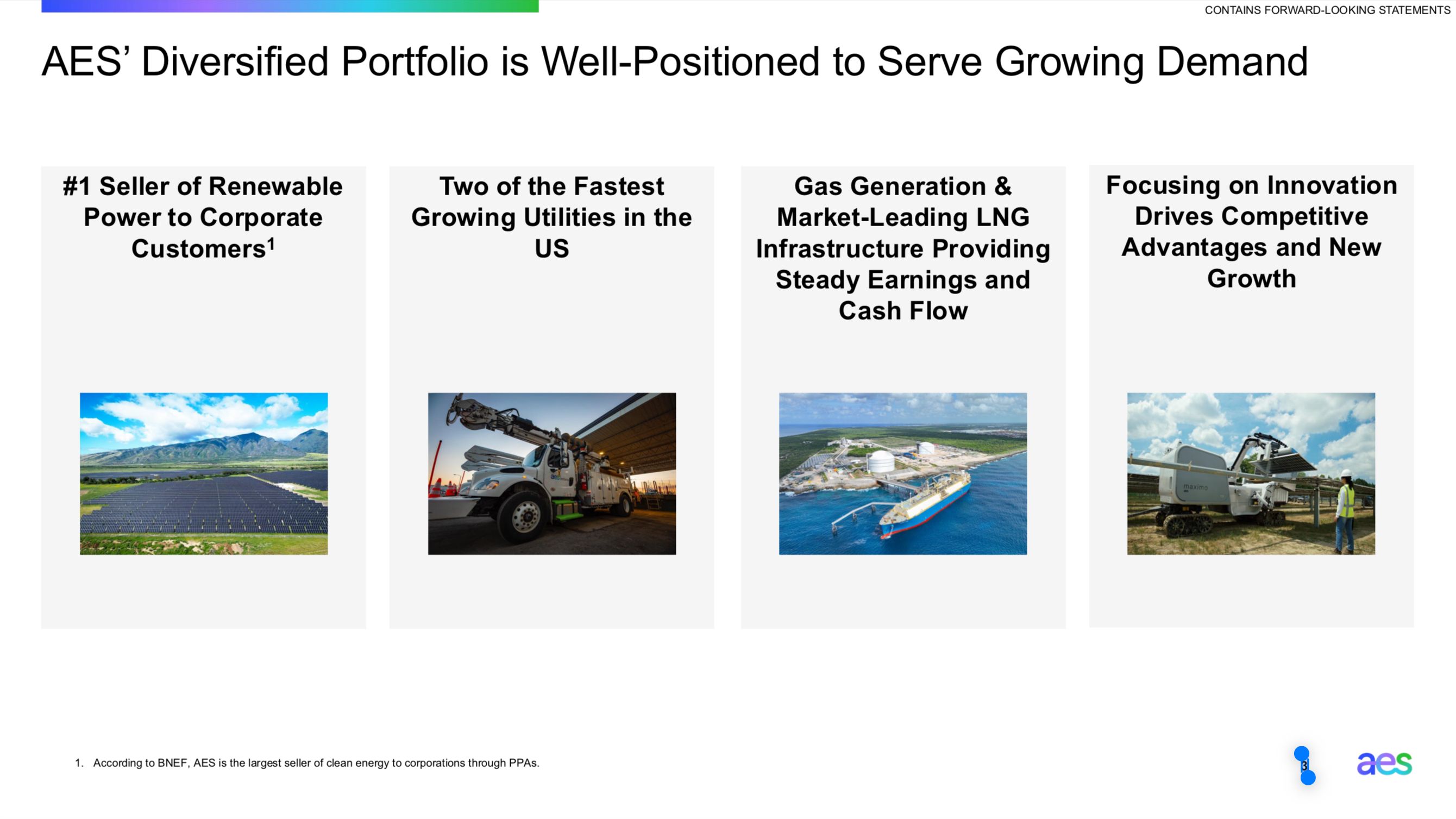
AES, for those who need the refresher, is a Fortune 500 global energy company operating utilities in Indiana and Ohio, plus power generation assets across Chile, Panama, the Dominican Republic, Vietnam, Bulgaria, and roughly a dozen other countries. It’s not the sexiest name in the sector, but it generates real cash flow from real assets that the world genuinely needs.
The headline premium is 40% to the 30-day VWAP prior to the first media report of a potential deal last July. But here’s the wrinkle: the stock had already run up on deal speculation, and shares actually fell more than 16% on announcement day because the offer came in below the inflated Friday close of $17.28. In other words, the leak helped and hurt simultaneously, a classic Wall Street own-goal.

So why sell? AES management was refreshingly honest about it. Absent this transaction, the company would have likely needed to cut or eliminate its dividend and/or issue significant new equity to fund its growth plans beyond 2027. That’s not a great look for a public utility.
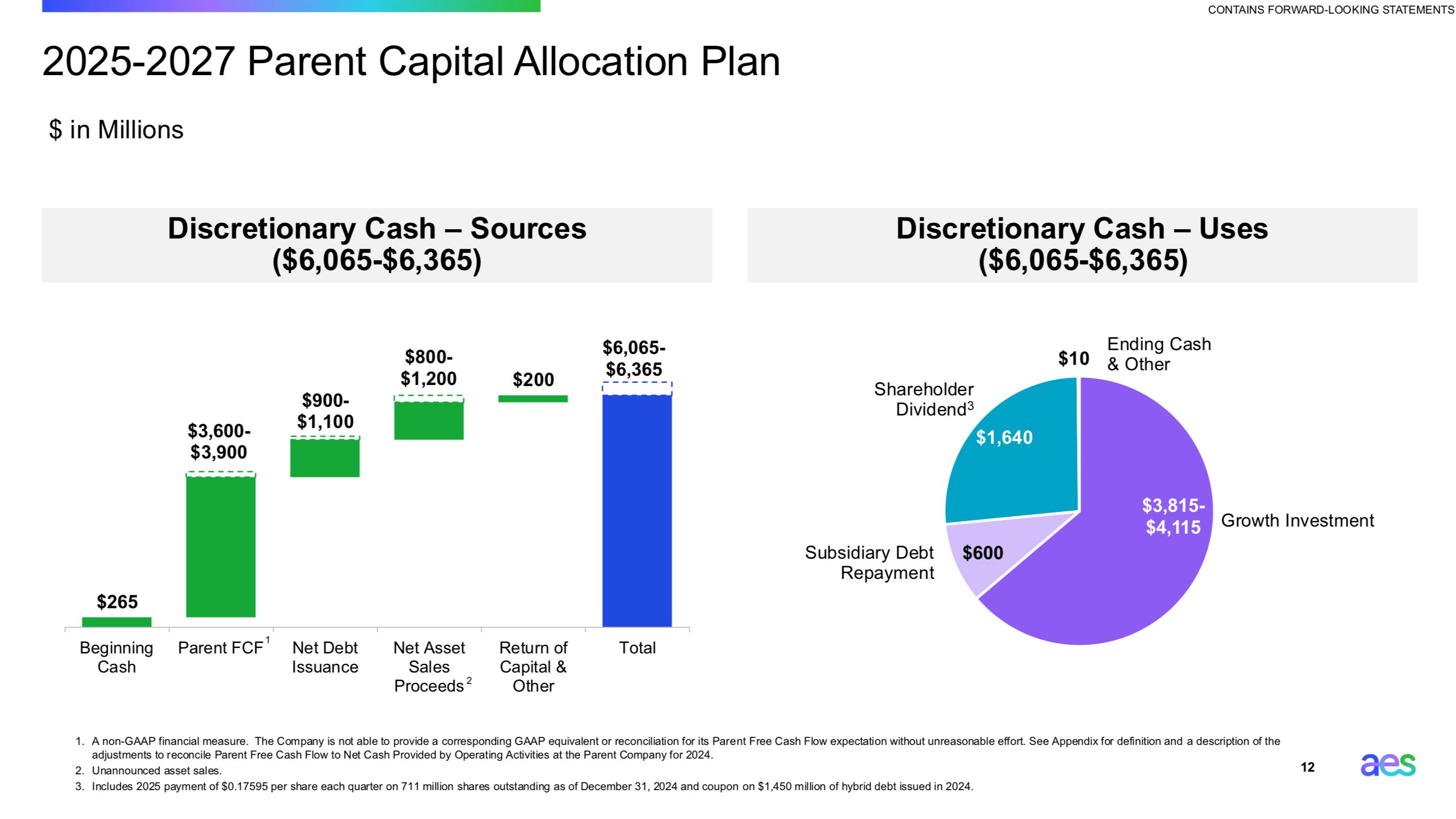
Going private gives AES the capital runway it needs to keep investing in new generation capacity without the quarterly earnings pressure. Bayo Ogunlesi, CEO of GIP, put it plainly: there is a need for “significant investments in new capacity in electricity generation, transmission and distribution, especially in the United States.” Translation: AI data centers don’t run on good intentions.
This deal follows an extraordinary wave of private capital flooding into the U.S. power sector. Blackstone acquired TXNM Energy for $11.5 billion. Constellation is buying Calpine for $16.4 billion. And Bloomberg estimates that more than $280 billion in power sector M&A has been announced since the start of 2025. If you’re an energy banker right now, you are having the time of your life.
The Midwest utilities (AES Indiana and AES Ohio) will continue operating as locally managed regulated utilities, per the deal terms. That didn’t stop Indiana Democrats from immediately condemning the transaction.
“Private firms having a stake in public utilities will put profits over people,” said Congressman André Carson, which is also something that gets said every single time a utility changes hands and, yet, hasn’t actually stopped a utility from changing hands.

JPMorgan and Wells Fargo advised AES. Goldman advised GIP and CalPERS. Citi advised EQT. Everyone got paid.
The deal is expected to close in late 2026 or early 2027, subject to AES shareholder and regulatory approval.
STRATEGIC DEAL OF THE MONTH
Mouthwatering Premiums
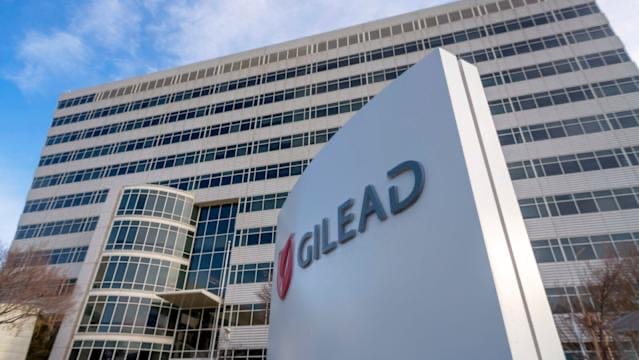
Here’s a fun M&A dynamic that doesn’t get enough attention: sometimes the best acquisition target is the company you’re already in business with. You’ve seen the technology. You’ve stress-tested the clinical data. You know exactly what you’re buying. The only question is whether you’re willing to pay full price for it.
Gilead Sciences answered that question definitively on February 23. Gilead agreed to acquire Arcellx — its partner in developing a CAR T-cell therapy for multiple myeloma — for $115 per share in cash, representing a total implied equity value of $7.8 billion. That’s a 79% premium to Arcellx’s Friday closing price and a 68% premium to its 30-day VWAP. Arcellx went public in 2022 at $15 per share. Do the math.

The center of gravity for this deal is a single drug: anitocabtagene autoleucel (anito-cel), an investigational BCMA-directed CAR T-cell therapy for patients with relapsed or refractory multiple myeloma.
The Phase 2 iMMagine-1 trial showed a 96% overall response rate and a 74% complete or stringent complete response rate at a median follow-up of nearly 16 months, numbers that would make any oncology investor audibly gasp. The FDA has already accepted the BLA with a PDUFA action date of December 23, 2026, meaning a commercial launch decision is imminent.
Gilead already owned 11.5% of Arcellx’s outstanding stock and had been co-developing anito-cel through its Kite subsidiary since 2022.
The deal eliminates all future profit-sharing, milestone payments, and royalties, which could remove up to $1.5 billion in future payouts from Gilead’s obligations.
At the same time, Gilead gains full commercial economics on a drug it already believes in. CEO Daniel O’Day called it their conviction that anito-cel could become “a foundational treatment for multiple myeloma over time.”
There’s also a contingent value right (CVR) of $5 per share, triggered if anito-cel reaches $6 billion in cumulative global net sales through the end of 2029. The CVR is Gilead’s way of saying: we think this drug is going to be really big, but we’re not willing to pay for that upside today - earn it with us.

The broader context matters here. Gilead’s cell therapy business — anchored by Yescarta and Tecartus — saw overall sales fall 7% in 2025 and is expected to decline another 10% in 2026 amid pressure from newer competitors.
The company’s COVID-19 drug Veklury is also losing steam (COVID was 6 years ago now, not 3). Gilead needed a pipeline catalyst, and it had one hiding in plain sight at a company it already partly owned.
BofA Securities and Morgan Stanley advised Gilead. Centerview Partners advised Arcellx. The deal is expected to close in Q2 2026, subject to regulatory approvals and completion of a tender offer.
For Arcellx shareholders, this is a remarkable outcome. Four years from a $15 IPO price to a $115 cash takeout, driven entirely by clinical execution and a strong partner relationship. Not bad for a biotech that most people couldn’t name six months, or even 6 days, ago.
What'd you think of today's newsletter? |